Table of Contents
ToggleDigital twins are changing how businesses design, monitor, and improve physical systems. A digital twin is a virtual replica of a physical object, process, or system. It uses real-time data to mirror its real-world counterpart. Engineers first developed digital twins for aerospace applications. Today, they power innovations across manufacturing, healthcare, urban planning, and energy sectors.
This technology connects the physical and digital worlds. Sensors on physical assets collect data continuously. That data flows into software models that simulate behavior, predict outcomes, and identify problems before they happen. Companies use digital twins to reduce downtime, cut costs, and make smarter decisions.
Understanding what a digital twin is, and how it works, helps organizations stay competitive. This article breaks down digital twin technology, its core components, practical applications, and the benefits and challenges of implementation.
Key Takeaways
- A digital twin is a virtual replica of a physical object, process, or system that uses real-time data to mirror and simulate its real-world counterpart.
- Digital twins operate through a continuous feedback loop involving data collection, transmission, virtual modeling, analysis, and actionable insights.
- Key components include IoT sensors, cloud and edge computing, data integration platforms, simulation software, and robust security layers.
- Industries like manufacturing, healthcare, smart cities, energy, and automotive use digital twins to optimize operations and predict failures.
- Predictive maintenance powered by digital twins can reduce costs by 10-40% and significantly extend asset lifespans.
- Challenges include high initial costs, data quality issues, integration complexity, skill gaps, and cybersecurity concerns.
How Digital Twins Work
A digital twin operates through a continuous feedback loop between a physical asset and its virtual model. Here’s the basic process:
- Data Collection: Sensors attached to the physical object gather information. This includes temperature, pressure, vibration, location, and performance metrics.
- Data Transmission: The collected data travels to cloud or edge computing systems. This happens in real time or at set intervals.
- Virtual Modeling: Software processes the incoming data and updates the digital twin. The model reflects the current state of the physical asset.
- Analysis and Simulation: Engineers run simulations on the digital twin. They test scenarios, predict failures, and optimize performance without touching the real equipment.
- Feedback Loop: Insights from the digital twin inform decisions about the physical asset. Operators can adjust settings, schedule maintenance, or redesign components based on what the model reveals.
Digital twins differ from simple 3D models or simulations. Traditional models are static snapshots. A digital twin lives and breathes alongside its physical counterpart. It evolves as conditions change.
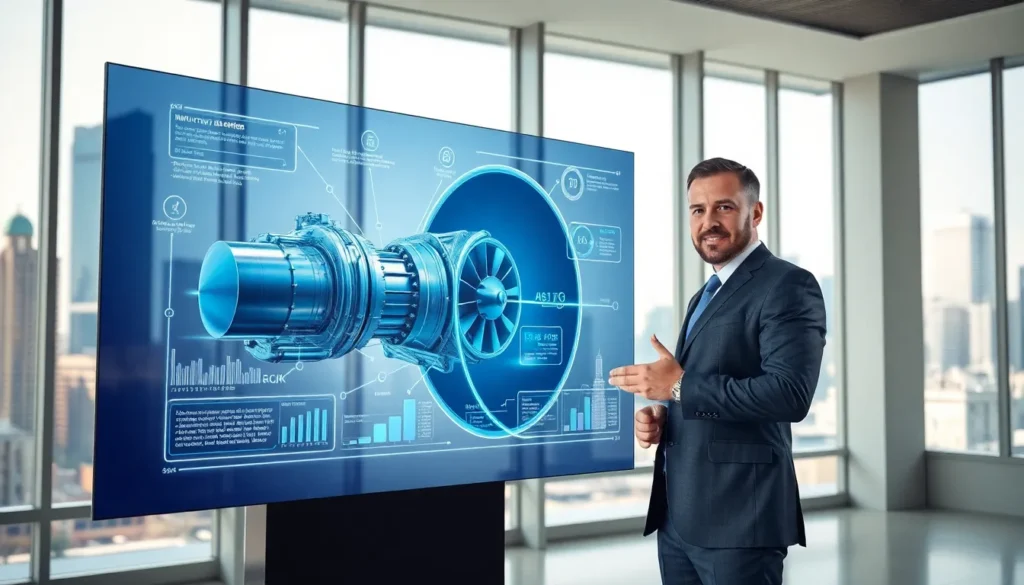
For example, an aircraft engine manufacturer creates a digital twin of each engine it produces. As that engine flies thousands of hours, sensors stream data back to the twin. Engineers spot wear patterns, predict part failures, and schedule maintenance precisely when needed, not before, not after.
Key Components of Digital Twin Technology
Building an effective digital twin requires several technological building blocks working together.
Sensors and IoT Devices
Sensors form the foundation. They capture real-world data from physical assets. Internet of Things (IoT) devices transmit this data to computing systems. Without sensors, a digital twin can’t stay synchronized with reality.
Connectivity Infrastructure
Reliable data transmission is essential. Digital twins need stable networks, whether Wi-Fi, cellular, or specialized industrial protocols. Low latency matters for applications requiring instant updates.
Cloud and Edge Computing
Cloud platforms store and process massive amounts of data. Edge computing handles time-sensitive analysis closer to the source. Many digital twin systems use both. The cloud manages heavy computational tasks. Edge devices handle immediate, local decisions.
Data Integration Platforms
Digital twins pull information from multiple sources: sensors, enterprise systems, historical databases, and external feeds. Integration platforms unify this data into a coherent picture.
Simulation and Analytics Software
This software creates the virtual model and runs scenarios. It applies physics-based modeling, machine learning algorithms, and statistical analysis. The quality of insights depends heavily on these tools.
Visualization Interfaces
Users need ways to interact with digital twins. Dashboards, 3D renderings, and augmented reality displays make complex data understandable. Good visualization turns raw numbers into actionable intelligence.
Security Layers
Digital twins handle sensitive operational data. Security measures protect against unauthorized access, data breaches, and cyber threats. Encryption, access controls, and monitoring systems are non-negotiable.
Real-World Applications of Digital Twins
Digital twins have moved beyond theory into practical use across industries.
Manufacturing
Factories use digital twins to optimize production lines. A digital twin of a manufacturing floor simulates workflow changes before implementation. Managers identify bottlenecks and test solutions virtually. This cuts trial-and-error costs significantly.
Healthcare
Hospitals create digital twins of individual patients. These models combine medical history, genetic data, and real-time health metrics. Doctors simulate treatment options and predict outcomes. Personalized medicine becomes more precise.
Some facilities also build digital twins of entire hospitals. They model patient flow, staff allocation, and equipment usage to improve operations.
Smart Cities
Urban planners use digital twins to model entire cities. Singapore’s “Virtual Singapore” project is a well-known example. The digital twin helps officials simulate traffic patterns, plan infrastructure, and respond to emergencies.
Energy and Utilities
Power companies build digital twins of wind turbines, solar farms, and electrical grids. These models predict equipment failures, optimize energy output, and balance supply with demand. General Electric uses digital twins to manage thousands of wind turbines worldwide.
Construction and Architecture
Builders create digital twins during construction. The model tracks progress, flags deviations from plans, and continues serving as an operational tool after completion. Building managers use the twin to monitor HVAC systems, energy consumption, and structural integrity.
Automotive
Car manufacturers develop digital twins of vehicles and their components. Tesla collects data from every car on the road to improve designs and push software updates. Each vehicle contributes to a collective understanding of performance.
Benefits and Challenges of Implementing Digital Twins
Benefits
Predictive Maintenance: Digital twins detect problems before equipment fails. Companies reduce unplanned downtime and extend asset lifespans. Studies suggest predictive maintenance can cut costs by 10-40%.
Faster Innovation: Engineers test new designs virtually. They iterate quickly without building physical prototypes for every change. Development cycles shrink.
Operational Efficiency: Real-time monitoring reveals inefficiencies. Organizations optimize processes based on actual data, not assumptions.
Better Decision-Making: Leaders gain visibility into operations. Digital twins provide concrete evidence for strategic choices.
Risk Reduction: Simulating scenarios helps organizations prepare for problems. They test responses to failures, demand spikes, or supply disruptions safely.
Challenges
High Initial Costs: Building a digital twin requires investment in sensors, software, infrastructure, and expertise. Small organizations may struggle to justify the expense.
Data Quality Issues: A digital twin is only as good as its data. Inaccurate sensors, gaps in data collection, or integration errors undermine the model’s reliability.
Complexity of Integration: Connecting legacy systems with modern digital twin platforms takes effort. Many organizations face technical debt that complicates implementation.
Skill Gaps: Operating digital twins demands specialized knowledge. Data scientists, IoT engineers, and domain experts must collaborate. Finding and retaining this talent is difficult.
Security Concerns: Connecting physical assets to digital systems creates vulnerabilities. Cyberattacks on digital twins could disrupt operations or expose sensitive information.
Scalability: Starting with one digital twin is manageable. Scaling across an entire organization, hundreds or thousands of assets, multiplies complexity.