Table of Contents
ToggleDigital twins vs. traditional simulation, which technology fits your project best? Both approaches model real-world systems, but they operate in fundamentally different ways. Digital twins create dynamic, data-connected replicas that update in real time. Traditional simulations build static models based on fixed parameters and assumptions. Understanding these differences helps engineers, manufacturers, and decision-makers choose the right tool for specific applications. This article breaks down what each technology does, how they differ, and when to use one over the other.
Key Takeaways
- Digital twins connect to live data sources and update in real time, while traditional simulations use fixed parameters entered manually before each run.
- Use digital twins when you need real-time monitoring, predictive maintenance, or decisions based on current operational data.
- Traditional simulations work best for designing new products, testing extreme scenarios, or when budget constraints limit sensor infrastructure.
- Digital twins improve over time through machine learning, whereas traditional simulations remain static until engineers manually update them.
- Many organizations combine both approaches—using simulations during design phases and deploying digital twins once physical assets are operational.
- The digital twins vs. traditional simulations choice depends on your specific use case, budget, and whether you need live data connectivity or controlled theoretical testing.
What Are Digital Twins?
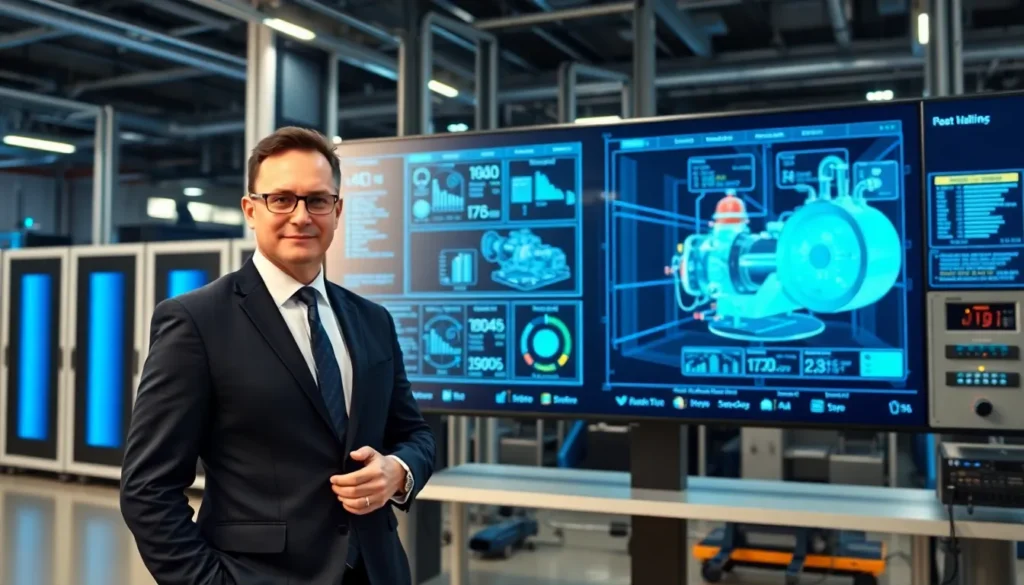
A digital twin is a virtual representation of a physical object, system, or process. It connects to real-world data sources through sensors, IoT devices, and other monitoring tools. This connection allows the digital twin to reflect the current state of its physical counterpart.
Digital twins update continuously. When conditions change in the physical world, the digital version changes too. A digital twin of a jet engine, for example, receives live data about temperature, pressure, and vibration. Engineers can monitor performance without physically inspecting the engine.
The technology serves multiple industries. Manufacturing plants use digital twins to track equipment health. Smart cities deploy them to manage traffic flow and energy consumption. Healthcare providers create digital twins of patients to predict treatment outcomes.
Key characteristics of digital twins include:
- Real-time synchronization with physical assets
- Bidirectional data flow between virtual and physical systems
- Predictive capabilities based on current and historical data
- Continuous learning through machine learning algorithms
Digital twins don’t just mirror reality, they help predict what happens next. This predictive power separates them from older modeling approaches.
How Traditional Simulations Work
Traditional simulations model systems using predefined rules, equations, and assumptions. Engineers input parameters at the start, run the simulation, and analyze the output. The process is linear: set up, execute, review.
Simulation software has existed for decades. Aerospace engineers simulate airflow over wing designs. Automotive companies crash-test virtual cars before building physical prototypes. Pharmaceutical researchers model drug interactions within the human body.
Traditional simulations excel at answering “what if” questions under controlled conditions. What if wind speed increases by 20%? What if the material thickness changes? Engineers adjust input variables and compare results.
But, traditional simulations have limitations:
- Static snapshots that don’t update automatically
- Manual data entry required for each scenario
- No connection to live operational data
- Point-in-time accuracy that degrades as conditions change
Think of traditional simulation as a photograph. It captures a moment accurately, but that moment passes. The model remains frozen while the real system keeps changing.
Simulations require significant expertise to build and validate. Once complete, they provide valuable insights, but only for the specific conditions tested. New scenarios demand new simulation runs.
Core Differences Between Digital Twins and Simulations
Digital twins vs. simulations: the distinction comes down to connectivity, timing, and purpose. Both technologies model systems, but they do so in fundamentally different ways.
Data Connection
Digital twins maintain persistent links to physical systems. Sensors feed data continuously into the virtual model. Traditional simulations operate independently. They use historical or hypothetical data entered manually before each run.
Update Frequency
A digital twin updates in real time or near-real time. Changes in the physical asset appear in the virtual representation within seconds or minutes. Traditional simulations produce results only when engineers initiate new runs. Days or weeks might pass between updates.
Scope of Analysis
Digital twins analyze current conditions and predict future states. They answer questions like: “What will happen to this specific pump over the next month?” Traditional simulations explore theoretical scenarios: “How would pumps of this design behave under extreme conditions?”
Learning Capability
Digital twins improve over time. Machine learning algorithms refine predictions based on accumulated data. Traditional simulations rely on the equations programmed at creation. They don’t adapt unless engineers manually update the underlying models.
| Feature | Digital Twins | Traditional Simulations |
|---|---|---|
| Data source | Live sensor feeds | Manual input |
| Update cycle | Continuous | On-demand |
| Focus | Specific assets | General designs |
| Adaptability | Self-improving | Static until revised |
The digital twins vs. simulations comparison isn’t about which technology is superior. Each serves distinct purposes within engineering and operations workflows.
When to Use Digital Twins vs. Traditional Simulations
Choosing between digital twins vs. traditional simulations depends on the use case, budget, and technical requirements.
Use Digital Twins When:
Monitoring operational assets matters. Factories, power plants, and transportation networks benefit from real-time visibility. Digital twins track equipment condition and flag potential failures before they occur.
Decisions require current data. If yesterday’s information isn’t good enough, digital twins provide the live feed needed for immediate action.
Predictive maintenance saves money. Organizations with expensive equipment, aircraft, turbines, medical devices, use digital twins to schedule repairs based on actual wear rather than fixed intervals.
Systems change frequently. Dynamic environments where conditions shift hourly or daily suit digital twin technology well.
Use Traditional Simulations When:
Designing new products or systems. Before physical assets exist, simulations test concepts and optimize designs. Engineers can’t create a digital twin of something that hasn’t been built yet.
Exploring extreme scenarios. Simulations safely test conditions that would damage real equipment. What happens if temperature exceeds safe limits? Simulations answer without risk.
Budget constraints exist. Digital twins require sensor infrastructure, data pipelines, and ongoing maintenance. Traditional simulations need powerful computers but fewer continuous resources.
Regulatory approval demands testing. Many industries require documented simulation results for certification. Traditional simulation workflows align with established regulatory processes.
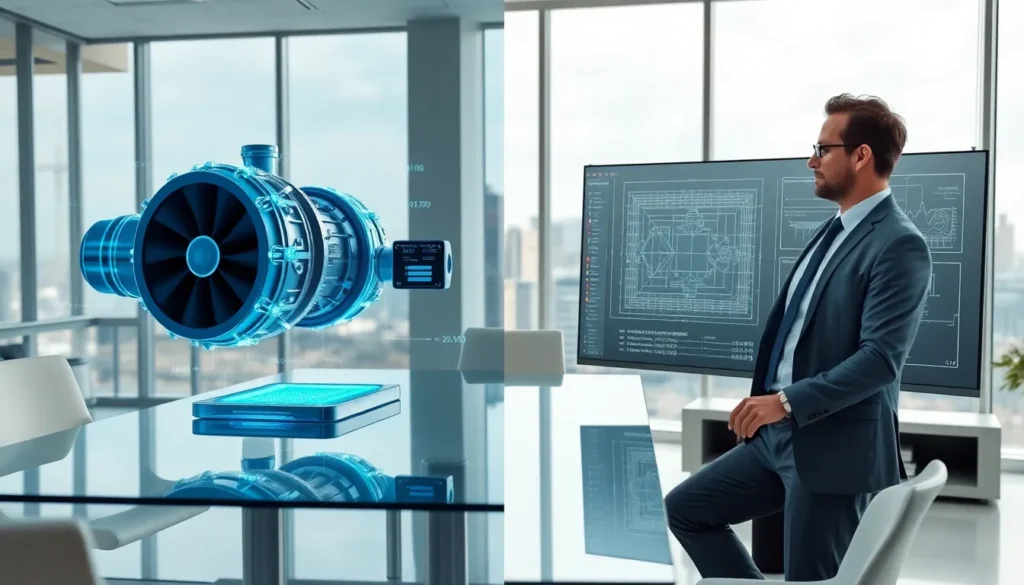
Some organizations combine both approaches. They use traditional simulations during design phases, then deploy digital twins once physical assets enter operation. The digital twins vs. simulations question often resolves into: “Which do we need right now?”