Table of Contents
ToggleDigital twins techniques have transformed how organizations design, monitor, and optimize physical systems. A digital twin is a virtual replica of a real-world object, process, or system. It mirrors its physical counterpart in real time using live data feeds and advanced modeling. Companies across manufacturing, healthcare, and urban planning now rely on these virtual models to predict failures, test scenarios, and improve efficiency. This article breaks down the core digital twins techniques, explains how they function, and highlights practical applications across industries. Whether the goal is reducing downtime in a factory or simulating city traffic patterns, understanding these methods provides a clear advantage.
Key Takeaways
- Digital twins techniques create dynamic virtual replicas of physical assets using real-time IoT data and advanced modeling to predict failures and optimize performance.
- Data integration and IoT connectivity form the foundation, requiring high-quality sensor data, edge computing, and validation protocols for accurate digital twins.
- Simulation and predictive modeling combine physics-based and machine learning approaches to forecast future states and test scenarios without real-world risk.
- Manufacturing leads digital twin adoption, achieving up to 50% reduction in unplanned downtime through predictive maintenance.
- Healthcare, energy, and smart cities apply digital twins techniques to optimize patient care, manage wind turbines, and simulate urban infrastructure before implementation.
- The core value of digital twins lies in visibility and foresight—enabling data-driven decisions over assumptions across all industries.
What Are Digital Twins and How Do They Work
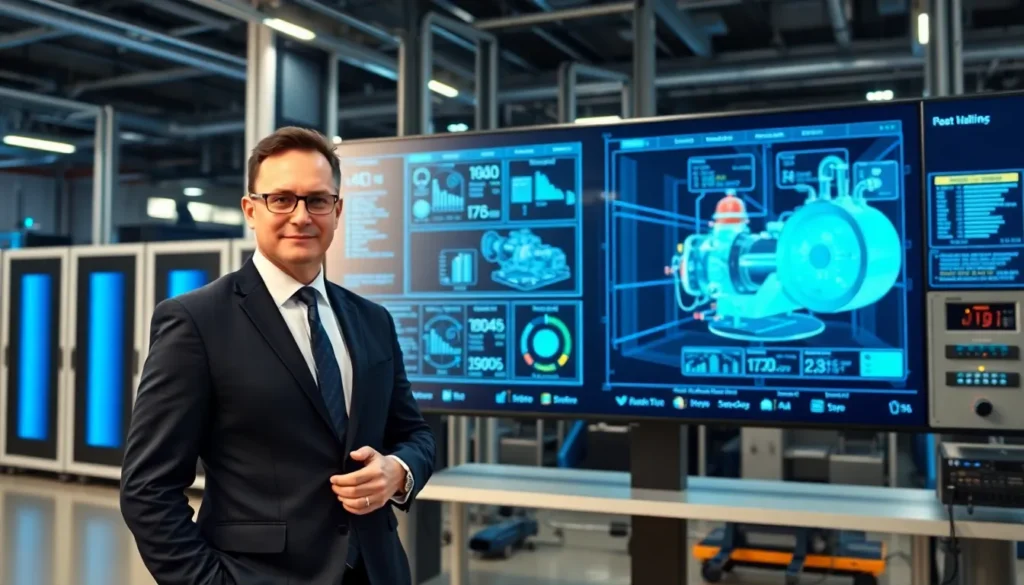
A digital twin is a dynamic virtual model that represents a physical asset, system, or process. It uses real-time data to replicate behavior, conditions, and performance. The concept originated in aerospace engineering, where NASA used virtual models to monitor spacecraft. Today, digital twins techniques apply to everything from jet engines to entire smart cities.
The core mechanism involves three components: the physical object, its digital replica, and the data connection between them. Sensors on the physical asset collect information, temperature, vibration, pressure, location, and more. This data streams to the digital model, which updates continuously. The result is a living representation that reflects current states and historical patterns.
Digital twins work through a feedback loop. The virtual model receives data, runs calculations, and generates insights. These insights inform decisions about the physical asset. For example, a digital twin of an industrial pump might detect unusual vibration patterns. It flags the anomaly before the pump fails. Maintenance teams then act on this prediction, avoiding costly unplanned downtime.
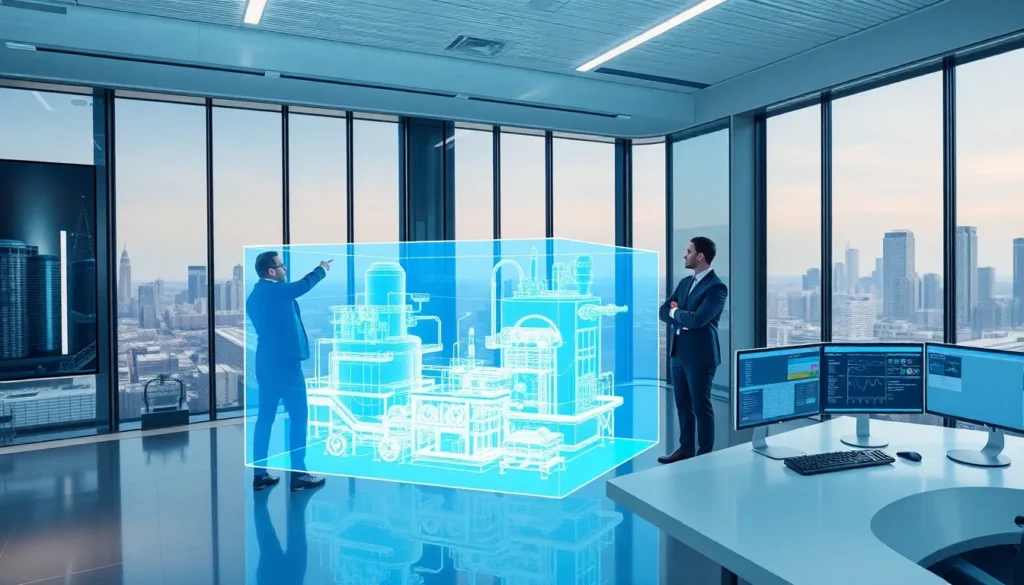
The value of digital twins techniques lies in visibility and foresight. Organizations gain a detailed view of assets they couldn’t monitor manually. They also gain the ability to simulate “what-if” scenarios without risking the real system. Want to know how a wind turbine performs under extreme weather? Run the simulation on its digital twin first.
Core Techniques for Building Digital Twins
Building effective digital twins requires specific technical approaches. Two foundational digital twins techniques stand out: data integration with IoT connectivity and simulation with predictive modeling. Both work together to create accurate, useful virtual replicas.
Data Integration and IoT Connectivity
Data integration forms the backbone of any digital twin. Without reliable data, the virtual model becomes guesswork. IoT (Internet of Things) sensors serve as the primary data source. These sensors attach to physical assets and transmit measurements continuously.
The integration process involves collecting data from multiple sources and unifying it into a coherent format. A single manufacturing line might have hundreds of sensors tracking different variables. Digital twins techniques require systems that aggregate this information, clean it, and structure it for analysis.
Edge computing often plays a role here. Processing data close to its source reduces latency and bandwidth demands. A digital twin monitoring a remote oil pipeline, for instance, benefits from edge devices that filter and compress data before sending it to central servers.
Data quality matters enormously. Inaccurate sensor readings produce unreliable twins. Organizations invest in calibration, redundancy, and validation protocols to ensure data integrity. The best digital twins techniques include automated checks that flag suspicious readings.
Simulation and Predictive Modeling
Simulation transforms raw data into actionable insights. Digital twins use mathematical models to replicate physical behavior. These models range from simple formulas to complex physics-based simulations.
Predictive modeling takes simulation further. Machine learning algorithms analyze historical data to identify patterns. They then forecast future states. A digital twin of an HVAC system might predict energy consumption based on weather forecasts, occupancy patterns, and equipment age.
Physics-based models simulate how objects behave under different conditions. They account for forces, materials, and environmental factors. Data-driven models, by contrast, learn from observed outcomes without explicit physics rules. Many digital twins techniques combine both approaches for higher accuracy.
Scenario testing represents a powerful application. Engineers use digital twins to simulate equipment failures, process changes, or extreme conditions. They observe outcomes in the virtual environment before implementing changes in the real world. This reduces risk and accelerates innovation.
Real-World Applications Across Industries
Digital twins techniques deliver measurable results across sectors. Manufacturing leads adoption, but healthcare, energy, and urban planning are catching up fast.
In manufacturing, digital twins monitor production lines in real time. Siemens uses them to simulate entire factories before building physical facilities. This approach cuts planning time and identifies bottlenecks early. Predictive maintenance powered by digital twins reduces unplanned downtime by up to 50% in some facilities.
Healthcare applies digital twins techniques to patient care and medical device development. Researchers create virtual organs to test drug effects without human trials. Hospitals use digital twins of their facilities to optimize patient flow and resource allocation. Some companies even build personalized digital twins of individual patients to predict treatment outcomes.
The energy sector relies on digital twins for asset management. Wind farm operators create virtual replicas of turbines to monitor performance and schedule maintenance. Oil and gas companies use them to simulate drilling operations and detect pipeline leaks. These applications improve safety and reduce environmental risk.
Smart cities represent an ambitious frontier. Singapore developed a detailed digital twin of the entire city-state. Planners use it to simulate traffic patterns, emergency response scenarios, and infrastructure projects. Urban developers test building designs against sunlight, wind, and pedestrian flow before construction begins.
Supply chain management benefits from digital twins techniques as well. Companies model their logistics networks to identify vulnerabilities and optimize routes. During disruptions, they simulate alternative scenarios to maintain operations.
The common thread across these applications is visibility. Digital twins provide information that was previously hidden or expensive to obtain. They enable decisions based on data rather than assumptions.