Table of Contents
ToggleDigital twins are changing how businesses design, monitor, and optimize physical assets. This digital twins guide breaks down the technology, its applications, and why companies across sectors are investing heavily in virtual replicas. A digital twin is a virtual model that mirrors a real-world object, process, or system. It collects real-time data and uses simulations to predict outcomes, test scenarios, and improve performance. From manufacturing plants to smart cities, digital twins offer a powerful way to reduce costs, prevent failures, and accelerate innovation. Understanding this technology is essential for anyone involved in operations, engineering, or strategic planning.
Key Takeaways
- A digital twin is a virtual replica of a physical asset that uses real-time data and simulations to predict outcomes and optimize performance.
- This digital twins guide highlights three core components: the physical entity, the virtual model, and the data connection linking them.
- Industries like manufacturing, healthcare, energy, and smart cities are using digital twins to reduce downtime, cut costs, and accelerate innovation.
- Predictive maintenance powered by digital twins can reduce maintenance costs by 20-30% by detecting early warning signs of equipment failure.
- Challenges include high upfront costs, data quality issues, integration complexity, and security concerns that organizations must address before implementation.
- As more data flows into a digital twin, its accuracy improves—making it a continuously learning tool for better decision-making.
What Is a Digital Twin?
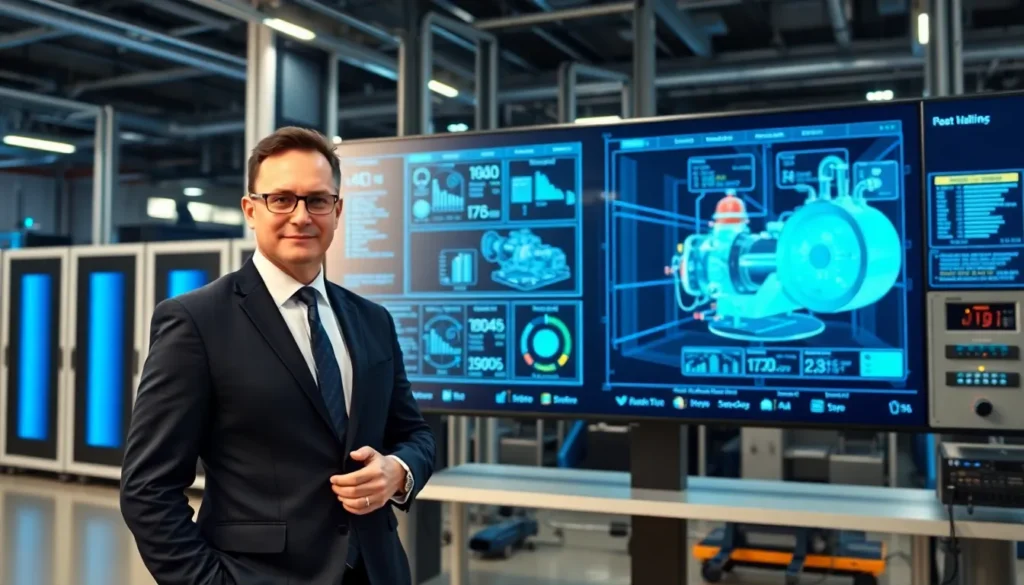
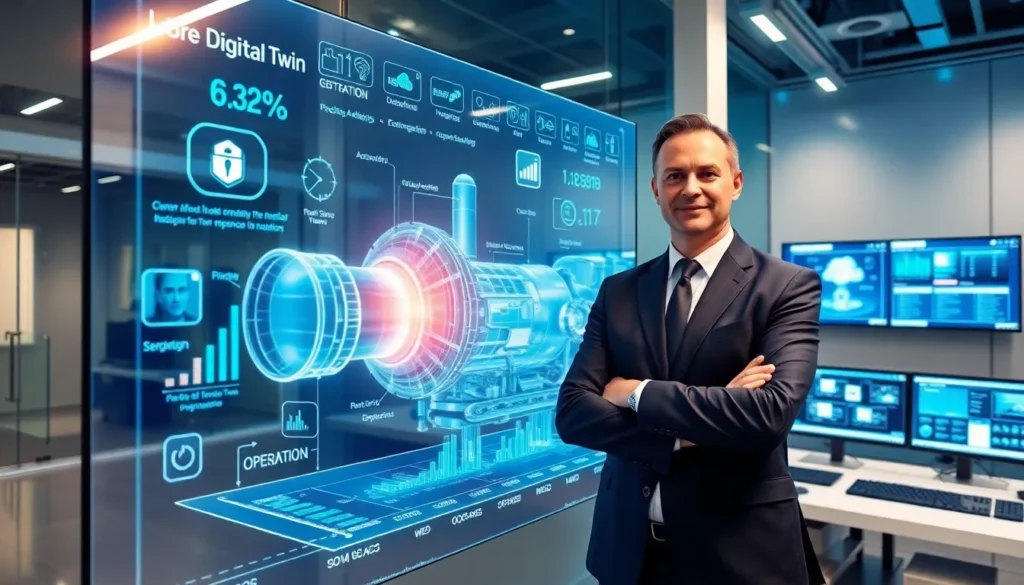
A digital twin is a virtual representation of a physical object, system, or process. It exists as software that simulates the behavior and characteristics of its real-world counterpart. Engineers and analysts use digital twins to monitor performance, run tests, and predict future states without touching the actual asset.
The concept originated in manufacturing and aerospace during the early 2000s. NASA pioneered digital twin technology to simulate spacecraft systems and troubleshoot problems from Earth. Today, digital twins extend far beyond rockets. They model everything from jet engines to entire supply chains.
A digital twin differs from a standard 3D model or simulation. While a 3D model shows how something looks, a digital twin connects to real-time data sources. Sensors on the physical asset feed information to the digital twin continuously. This data flow keeps the virtual model synchronized with actual conditions.
Three core components make up a digital twin:
- Physical entity: The real-world object, machine, or system being modeled
- Virtual model: The software-based replica that processes data and runs simulations
- Data connection: Sensors, IoT devices, and networks that link the physical and virtual layers
Digital twins can represent simple objects like a single pump or complex systems like an entire factory. The scope depends on what questions the organization wants to answer. A component-level digital twin might track wear on a specific part. A system-level digital twin could optimize energy use across multiple buildings.
How Digital Twins Work
Digital twins operate through a cycle of data collection, analysis, and feedback. Sensors attached to physical assets capture measurements like temperature, vibration, pressure, and location. This data streams to cloud platforms where the digital twin software processes it.
The virtual model uses this incoming data to update its state. Machine learning algorithms analyze patterns and detect anomalies. If a pump shows unusual vibration levels, the digital twin flags the change before the equipment fails.
Simulation engines within the digital twin allow users to test scenarios. Engineers can ask “what if” questions: What happens if we increase production speed by 10%? How will the system respond to a heat wave? The digital twin runs these scenarios without risking the actual equipment.
Key technologies powering digital twins include:
- IoT sensors: Collect real-time data from physical assets
- Cloud computing: Provides storage and processing power for large datasets
- AI and machine learning: Identify patterns, predict failures, and optimize performance
- 3D modeling software: Creates accurate visual representations
- APIs and integration platforms: Connect data sources and enterprise systems
The digital twin continuously learns. As more data flows in, the model becomes more accurate. Historical data helps the system understand normal behavior. When conditions deviate, alerts go out to maintenance teams or automated systems.
Advanced digital twins incorporate physics-based modeling. These models apply engineering equations to predict how materials and systems behave under different conditions. Combining physics with data-driven AI creates highly accurate predictions.
Key Industries Using Digital Twins
Digital twins have moved from experimental technology to standard practice in several industries. Manufacturing leads adoption, but healthcare, energy, and urban planning are catching up fast.
Manufacturing
Factories use digital twins to optimize production lines and reduce downtime. A digital twin of an assembly line can simulate throughput changes before implementation. Maintenance teams use predictive models to schedule repairs during planned downtime rather than reacting to breakdowns. General Electric and Siemens have deployed digital twins across thousands of industrial assets.
Healthcare
Hospitals create digital twins of organs and body systems to plan surgeries and test treatments. A cardiac digital twin can simulate how a patient’s heart responds to medication adjustments. Medical device companies use digital twins to test implants virtually before human trials.
Energy and Utilities
Power plants and grid operators rely on digital twins to balance supply and demand. Wind farm operators model turbine performance under varying weather conditions. Oil and gas companies create digital twins of offshore platforms to monitor safety and optimize extraction.
Smart Cities
Urban planners build digital twins of entire cities to manage traffic, utilities, and emergency response. Singapore’s “Virtual Singapore” project models the city-state in detail, helping officials test policies before deployment. Traffic digital twins can simulate how new road configurations affect congestion.
Aerospace and Defense
Aircraft manufacturers maintain digital twins throughout a plane’s lifecycle. The virtual model tracks every flight, maintenance event, and part replacement. This data helps predict component failures and optimize fleet management. The U.S. Air Force uses digital twins to extend aircraft service life while maintaining safety.
Benefits and Challenges of Digital Twin Technology
Digital twin technology delivers measurable advantages, but implementation comes with real obstacles. Organizations considering digital twins should weigh both sides.
Benefits
Predictive maintenance: Digital twins detect early warning signs of equipment failure. Companies report 20-30% reductions in maintenance costs after deployment.
Faster product development: Engineers test designs virtually before building prototypes. This cuts development cycles and reduces costly physical testing.
Operational efficiency: Real-time monitoring identifies waste and bottlenecks. Energy companies have achieved 5-10% efficiency gains through digital twin optimization.
Risk reduction: Simulating scenarios helps organizations prepare for disruptions. A digital twin can model supply chain impacts from natural disasters or demand spikes.
Better decision-making: Data-driven insights replace guesswork. Leaders can see how changes affect systems before committing resources.
Challenges
Data quality: Digital twins require accurate, complete data. Missing sensors or faulty measurements undermine the model’s reliability.
Integration difficulty: Connecting legacy systems to modern digital twin platforms takes time and technical expertise. Many organizations struggle with siloed data.
High upfront costs: Building a comprehensive digital twin requires investment in sensors, software, and skilled personnel. ROI timelines vary widely.
Security concerns: Digital twins create new attack surfaces. Hackers targeting a digital twin could gain insights into physical infrastructure vulnerabilities.
Talent gaps: Finding engineers who understand both physical systems and digital twin software remains difficult. Training existing staff takes months.