Table of Contents
ToggleDigital twins for beginners might sound like science fiction, but this technology already shapes how companies design products, manage equipment, and predict failures. A digital twin is a virtual replica of a physical object, system, or process. It connects to real-world data and updates in real time. Manufacturers, healthcare providers, city planners, and energy companies all use digital twins today. This guide breaks down what digital twins are, how they work, and why they matter. By the end, readers will understand the basics and know how to explore this technology further.
Key Takeaways
- A digital twin is a virtual replica of a physical object, system, or process that updates in real time using sensor data.
- Digital twins for beginners should start with a clear goal—focus on solving one specific problem before scaling up.
- Industries like manufacturing, healthcare, and city planning use digital twins to predict failures, test designs, and optimize operations.
- Key components include sensors, data integration software, a digital model, analytics engines, and user-friendly dashboards.
- Benefits include predictive maintenance, faster product development, improved efficiency, and better risk management.
- Start small with a pilot project, choose a suitable platform, and build internal skills in IoT and data analytics.
What Is a Digital Twin?
A digital twin is a virtual model that mirrors a physical asset, process, or system. Think of it as a living blueprint. Unlike a static 3D model, a digital twin receives continuous data from sensors attached to its real-world counterpart. This data keeps the virtual version accurate and up to date.
The concept dates back to NASA’s Apollo program. Engineers built physical replicas of spacecraft to simulate problems from Earth. Today, digital twins take that idea further by using software, sensors, and cloud computing.
Digital twins exist at different scales. A company might create a digital twin of a single machine, an entire factory, or even a city’s infrastructure. The scope depends on the goals. Some organizations use digital twins to monitor equipment health. Others use them to test new designs before building anything physical.
What makes digital twins powerful is their connection to real data. They don’t just represent how something should work, they show how it actually performs right now.
How Digital Twins Work
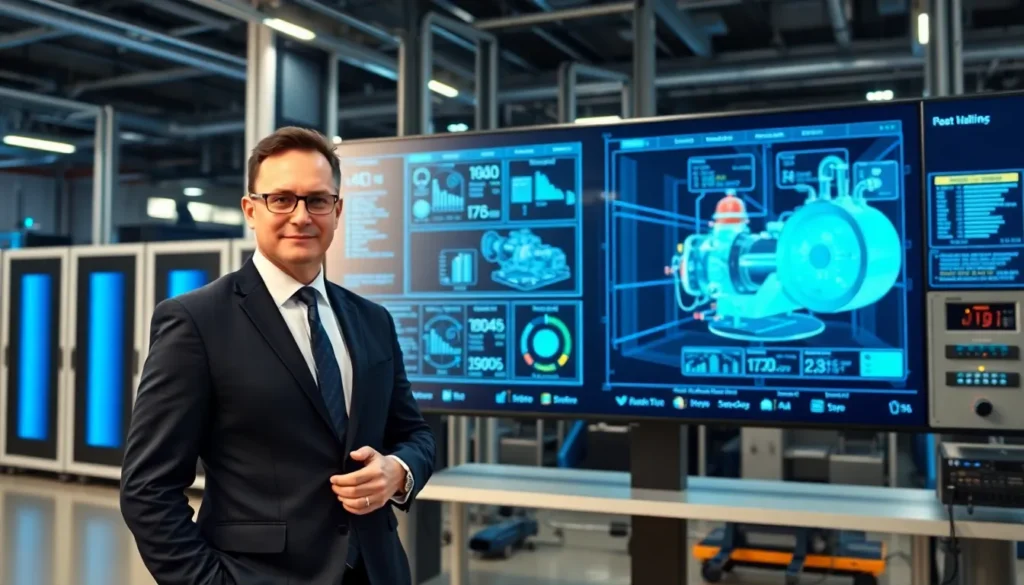
Digital twins rely on a loop of data collection, analysis, and feedback. Sensors on a physical asset gather information like temperature, pressure, vibration, or location. This data streams to the digital twin through internet connections or local networks.
Software processes the incoming data and updates the virtual model. Machine learning algorithms often analyze patterns to detect anomalies or predict future behavior. The digital twin then displays insights through dashboards, 3D visualizations, or alerts.
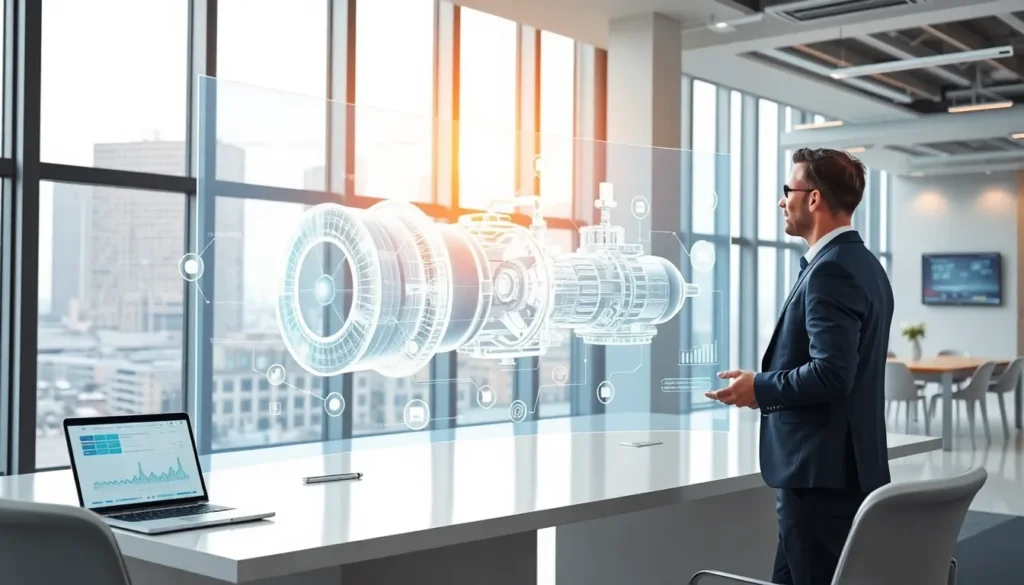
Operators can run simulations on the digital twin without affecting the physical asset. For example, an engineer might test how a jet engine performs under extreme heat, virtually. If the simulation reveals a problem, the team adjusts the design before manufacturing begins.
Key Components of a Digital Twin
Every digital twin includes several core elements:
- Physical Asset: The real-world object, machine, or system being modeled.
- Sensors and IoT Devices: Hardware that collects data from the physical asset.
- Data Integration Layer: Software that gathers, cleans, and organizes incoming data.
- Digital Model: The virtual representation built using CAD, simulation tools, or custom software.
- Analytics Engine: Algorithms that process data, identify trends, and generate predictions.
- User Interface: Dashboards or applications where people interact with the digital twin.
These components work together in real time. When a sensor detects a change, the digital twin reflects it almost instantly.
Common Applications Across Industries
Digital twins appear in many sectors. Manufacturing leads adoption. Factories use digital twins to monitor assembly lines, predict equipment failures, and reduce downtime. General Electric, for instance, creates digital twins of jet engines to track performance across thousands of flights.
Healthcare applies digital twins to model human organs. Doctors can simulate how a patient’s heart responds to different treatments. This approach supports personalized medicine and reduces trial-and-error in care decisions.
Cities build digital twins of infrastructure. Singapore maintains a detailed digital twin of the entire city-state. Urban planners use it to manage traffic, test new building designs, and prepare for emergencies.
Energy companies rely on digital twins to manage wind farms and power grids. They simulate weather conditions and optimize energy output. Oil and gas firms use digital twins to monitor offshore platforms and pipelines.
Retail and logistics companies create digital twins of supply chains. They track inventory, predict delays, and test different shipping routes. This visibility helps companies respond faster to disruptions.
Construction teams use digital twins throughout building projects. They compare the virtual design against actual progress. If something drifts off plan, the team catches it early.
Benefits of Using Digital Twins
Digital twins deliver measurable advantages. Predictive maintenance stands out as a primary benefit. By monitoring equipment in real time, companies spot problems before breakdowns occur. This reduces repair costs and prevents unplanned downtime.
Product development cycles shrink. Engineers test ideas on digital twins instead of building multiple physical prototypes. Iterations happen faster and cost less.
Operational efficiency improves. Digital twins reveal bottlenecks, waste, and underperforming assets. Managers make data-driven decisions rather than relying on guesswork.
Risk drops significantly. Organizations simulate scenarios, extreme weather, equipment failure, demand spikes, without real-world consequences. They prepare better and respond faster when actual events occur.
Collaboration becomes easier. Teams across locations view the same digital twin. Engineers, operators, and executives share a common understanding of how systems perform.
Digital twins also support sustainability goals. Companies track energy use, emissions, and resource consumption through their virtual models. They identify opportunities to reduce environmental impact.
Getting Started With Digital Twin Technology
Beginners should start with a clear goal. Identify a specific problem to solve or a process to improve. Trying to digitize everything at once leads to confusion and wasted resources.
Assess current data infrastructure. Digital twins need reliable data streams. If sensors aren’t in place, that’s the first investment. Many organizations begin with pilot projects on a single machine or product line.
Choose the right platform. Major cloud providers like Microsoft Azure, AWS, and Google Cloud offer digital twin services. Specialized vendors like Siemens, PTC, and Ansys provide industry-specific solutions. Evaluate options based on integration capabilities, scalability, and support.
Build internal skills. Digital twin projects require expertise in IoT, data analytics, and 3D modeling. Training existing staff or hiring specialists prepares the organization for success.
Measure results from day one. Track metrics tied to the original goal, whether that’s reduced downtime, faster development, or lower costs. Use these results to justify expanding the digital twin program.
Expect iteration. First attempts rarely achieve full potential. Teams learn what data matters, refine their models, and improve over time. Patience and continuous improvement lead to real value.