Table of Contents
ToggleDigital twins examples show how virtual replicas drive efficiency across multiple sectors. These digital models mirror physical assets, processes, or systems in real time. Organizations use digital twins to predict outcomes, optimize operations, and reduce costs. From factory floors to hospital rooms, digital twin technology delivers measurable results. This article explores practical digital twins examples across manufacturing, healthcare, and smart city development.
Key Takeaways
- Digital twins examples span manufacturing, healthcare, and smart cities, proving the technology’s versatility across industries.
- Companies like GE and Siemens use digital twins for predictive maintenance, saving millions by preventing unplanned equipment downtime.
- Healthcare digital twins enable patient-specific treatment planning, allowing surgeons to practice complex procedures on virtual heart models before surgery.
- Singapore’s “Virtual Singapore” showcases how digital twins examples help urban planners test traffic patterns and development impacts before implementation.
- Digital twins differ from simulations by maintaining a live data connection to physical assets, enabling real-time monitoring and faster decision-making.
- Organizations adopting digital twin technology report measurable ROI through reduced downtime, improved quality, and optimized resource allocation.
What Is a Digital Twin?
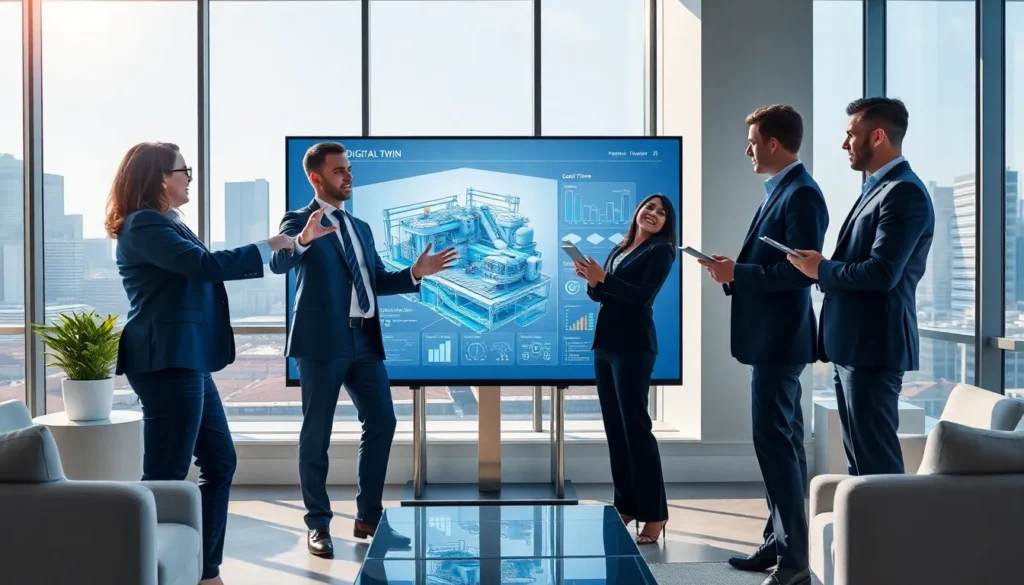
A digital twin is a virtual replica of a physical object, system, or process. This replica receives real-time data from sensors attached to its physical counterpart. The data flows continuously, allowing the digital twin to reflect current conditions accurately.
Digital twins differ from simple simulations. Simulations model possible scenarios, but digital twins maintain a live connection to actual equipment or systems. This connection enables organizations to monitor performance, detect anomalies, and test changes before implementing them in the real world.
Three core components make digital twins work:
- Physical entity: The actual machine, building, or process being monitored
- Virtual model: The digital representation that mirrors the physical entity
- Data connection: Sensors and software that link the two in real time
The concept originated at NASA, where engineers created digital replicas of spacecraft to troubleshoot problems from Earth. Today, digital twins examples span nearly every industry. Companies use them to extend equipment life, improve product design, and make faster decisions based on accurate data.
Manufacturing and Industrial Applications
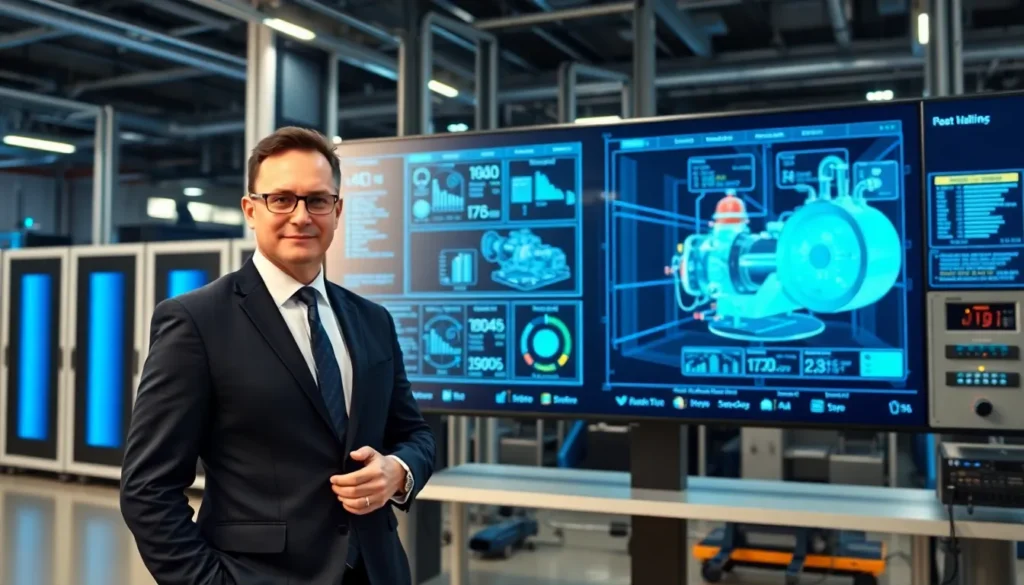
Manufacturing leads all industries in digital twin adoption. Factories use digital twins to monitor equipment health, predict failures, and optimize production lines.
Predictive Maintenance
General Electric provides one of the most cited digital twins examples in industrial settings. GE creates digital twins for jet engines, gas turbines, and wind turbines. These virtual models track temperature, vibration, and wear patterns. When data suggests a component might fail, technicians receive alerts before breakdowns occur. This approach saves millions in unplanned downtime costs.
Production Optimization
Siemens operates digital twins across its manufacturing facilities. The company’s Amberg electronics plant in Germany runs a digital twin of its entire production line. Managers test process changes on the virtual model first. If simulations show improvement, they carry out changes on the physical line. This method has helped Siemens achieve a 99.99885% quality rate.
Supply Chain Management
Digital twins examples also appear in logistics. Companies like Unilever build digital replicas of their supply chains. These models track inventory levels, shipping routes, and warehouse capacity. When disruptions occur, planners use the digital twin to find alternative solutions quickly.
The manufacturing sector proves that digital twins deliver clear return on investment. Reduced downtime, improved quality, and faster decision-making translate directly to bottom-line results.
Healthcare and Medical Digital Twins
Healthcare presents some of the most promising digital twins examples today. Medical digital twins range from organ models to entire patient replicas.
Patient-Specific Heart Models
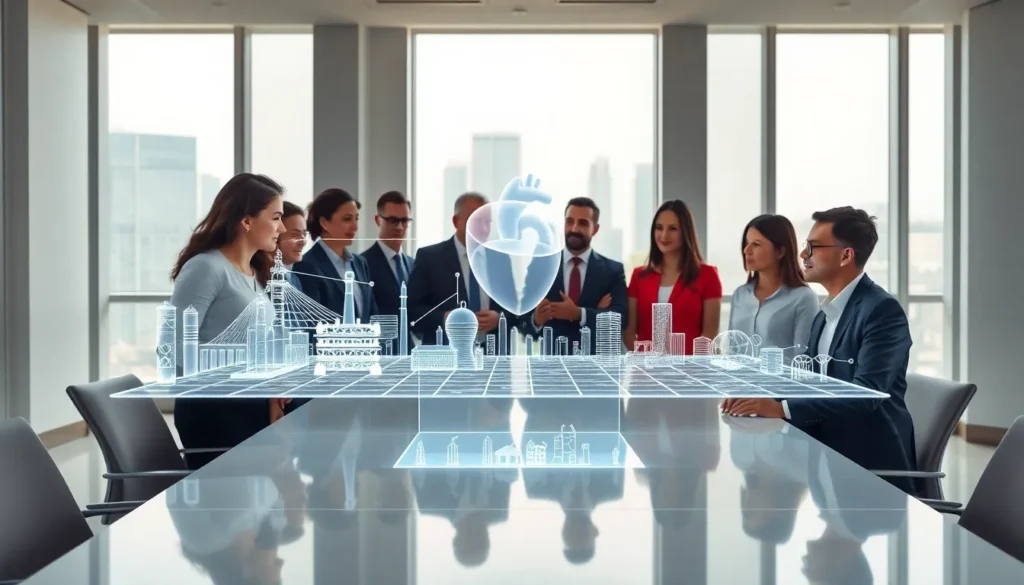
Philips Healthcare develops digital twins of individual hearts. Cardiologists use these models to plan procedures before surgery. The virtual heart shows how a specific patient’s organ will respond to different interventions. Surgeons practice complex operations on the digital twin, reducing risks during actual procedures.
Drug Development
Pharmaceutical companies use digital twins to accelerate drug testing. Dassault Systèmes created a digital twin of the human heart called “Living Heart.” Researchers test how new medications affect cardiac function without risking human subjects. This approach shortens development timelines and identifies problems early.
Hospital Operations
Digital twins examples extend beyond patient care. Hospitals create virtual replicas of their facilities to manage resources better. These models track patient flow, staff schedules, and equipment availability. Administrators use the data to reduce wait times and allocate resources efficiently.
Personalized Treatment Plans
Some healthcare providers build digital twins that represent a patient’s entire physiology. These comprehensive models incorporate genetic data, medical history, and lifestyle factors. Doctors use them to predict how individuals will respond to treatments, enabling more personalized care.
Healthcare digital twins show particular promise because they address a fundamental challenge: every patient is different. Virtual replicas capture individual variations that standard protocols miss.
Smart Cities and Infrastructure
Urban planners and government agencies turn to digital twins to manage cities more effectively. These large-scale digital twins examples demonstrate the technology’s potential for public benefit.
Singapore’s Virtual Nation
Singapore built one of the most ambitious digital twins examples to date. The city-state created “Virtual Singapore,” a 3D digital replica of the entire nation. Urban planners use it to test traffic patterns, emergency responses, and building placements. When officials consider a new development, they simulate its impact on traffic, shadows, and pedestrian flow before approving permits.
Transportation Networks
Transport for London operates digital twins of key infrastructure. These models monitor tunnel conditions, track rail wear, and predict maintenance needs. The digital twin approach helps the agency schedule repairs during off-peak hours, minimizing disruption to millions of daily commuters.
Energy Grid Management
Utility companies create digital twins of power grids. These virtual networks show real-time energy demand across regions. Operators use them to balance loads, integrate renewable sources, and respond to outages faster. National Grid in the UK uses digital twin technology to manage electricity distribution more efficiently.
Building Management
Individual buildings also benefit from digital twin technology. The Edge in Amsterdam, often called the world’s smartest building, runs on a comprehensive digital twin. The system tracks occupancy, lighting, temperature, and energy use. It adjusts conditions automatically based on who is in the building and what they’re doing.
Smart city digital twins examples highlight how public and private sectors can use the same technology to improve daily life for citizens.